Sample Page – Copy

Building healthier, resilient communities through WASH, health systems and livelihoods

Partnering with UNICEF Ghana, Ghana Health Service, Global Affairs Canada and local communities

Population
0 M
Rural access to safe water
0 %
Rural improved sanitation
0 %
Health Facilities Lacking Basic Water
0 %
Schools with Basic WASH Servaices
0 %
Live below national poverty line
0 %

Our Strategic Priorities

What we do

WASH

Water supply, sanitation, hygiene promotion, household water safety & maintenance systems aligned with WHO and national standards

NTD Prevention & Health Integration

Partnered with Ministry of Health to integrate WASH with NTD control, education and community mobilization.

Livelihoods

Vocational training, enterprise development for women & youth, nutrition-sensitive agriculture interventions.

Advocacy & Policy

Community-led advocacy aligned with Ghana NTD Master Plan and NTD Sustainability Roadmap to eliminate NTDs by 2030.

How we work

1. Community-led planning

Local committees co-design solutions and manage operations.

2. Build for climate resilience

Boreholes, gender-inclusive latrines and durable systems that work year-round.

3. Monitor, embed & scale

Household water safety, M&E and policy engagement for sustainability.

Meet The Ghana Team

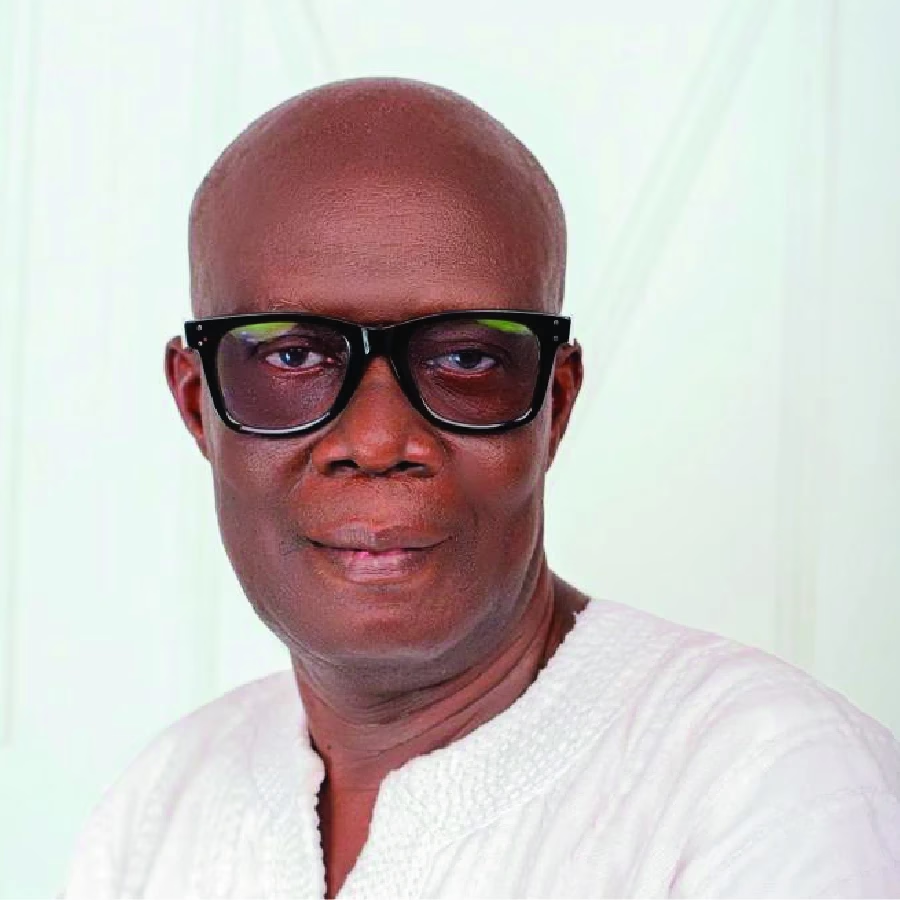
Dr Joe Lambongang

Founder & CEO
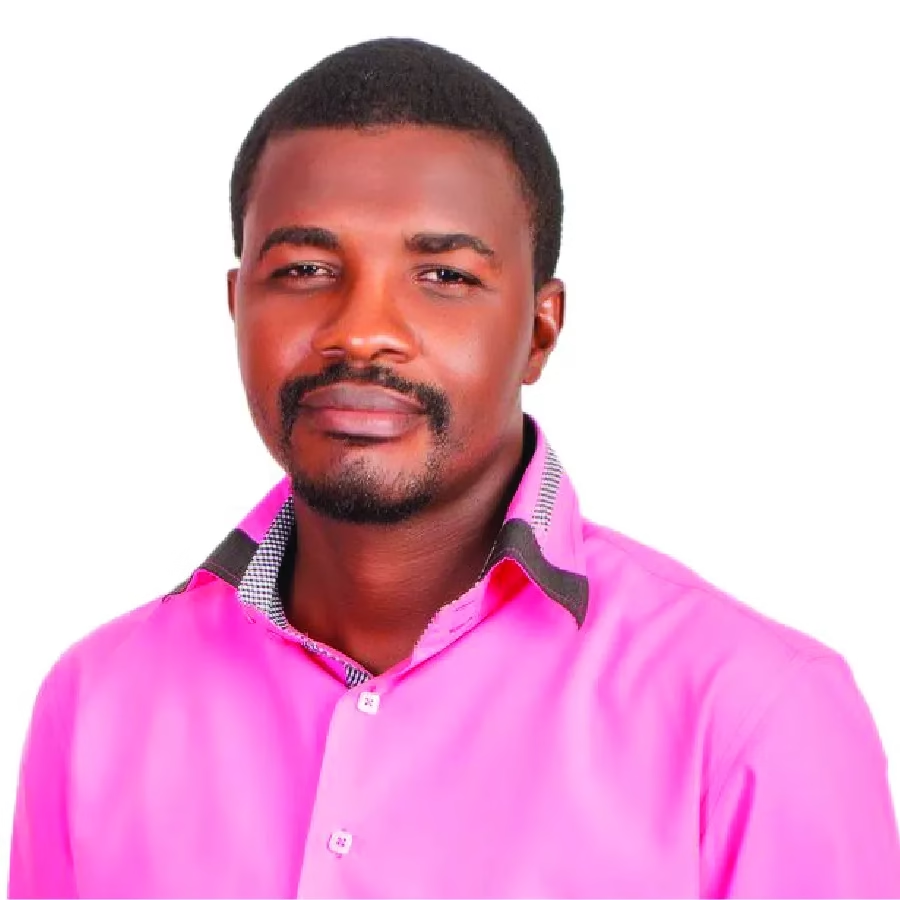
Augustus Osafo-Sampong

Regional Support Officer
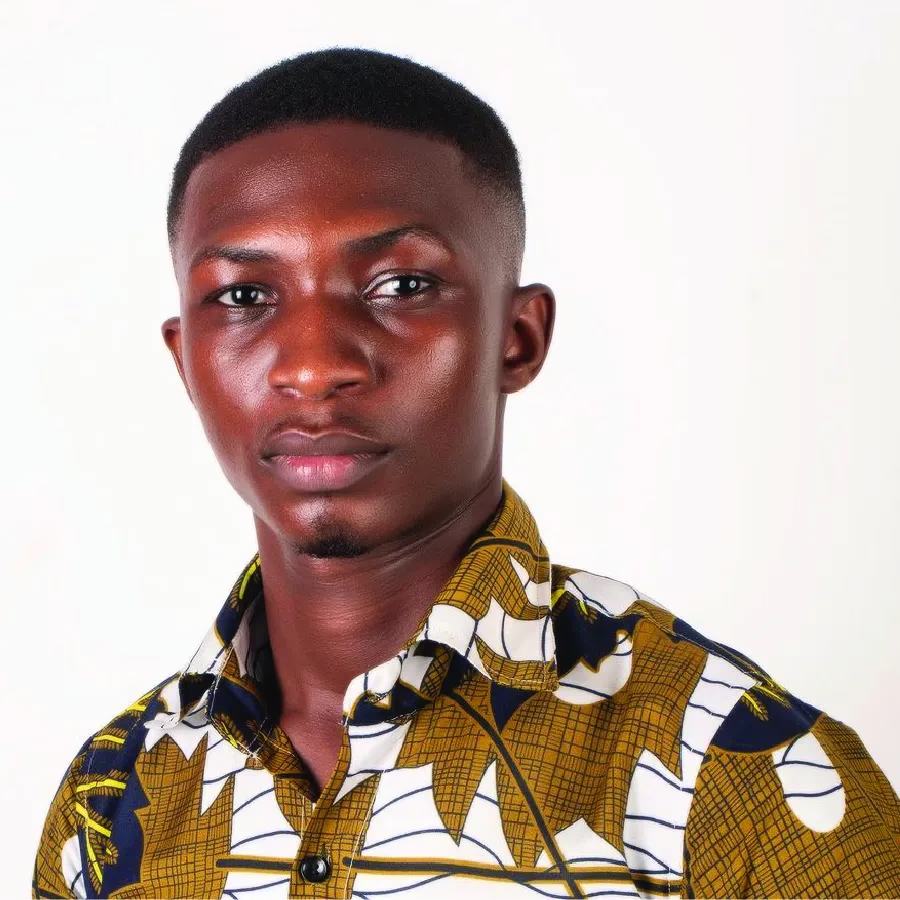
Ahmed Biiyien Kombat

Software Engineer
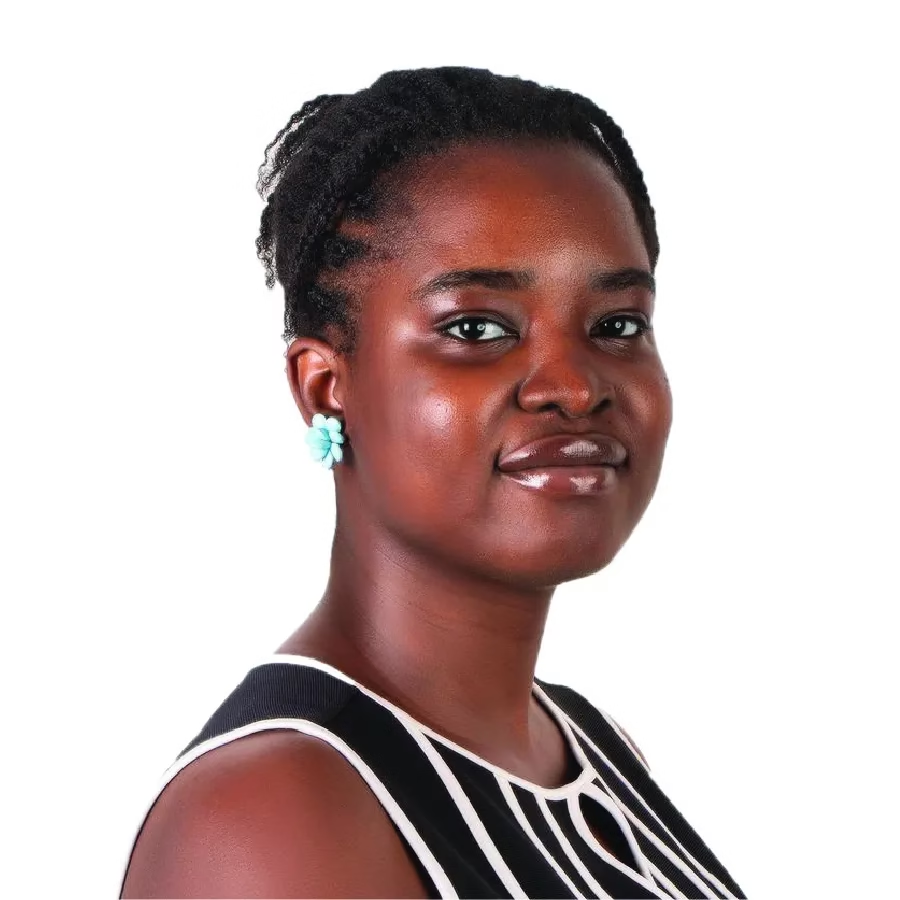
Sylvia Moncar Vanderpuye

Programs Officer
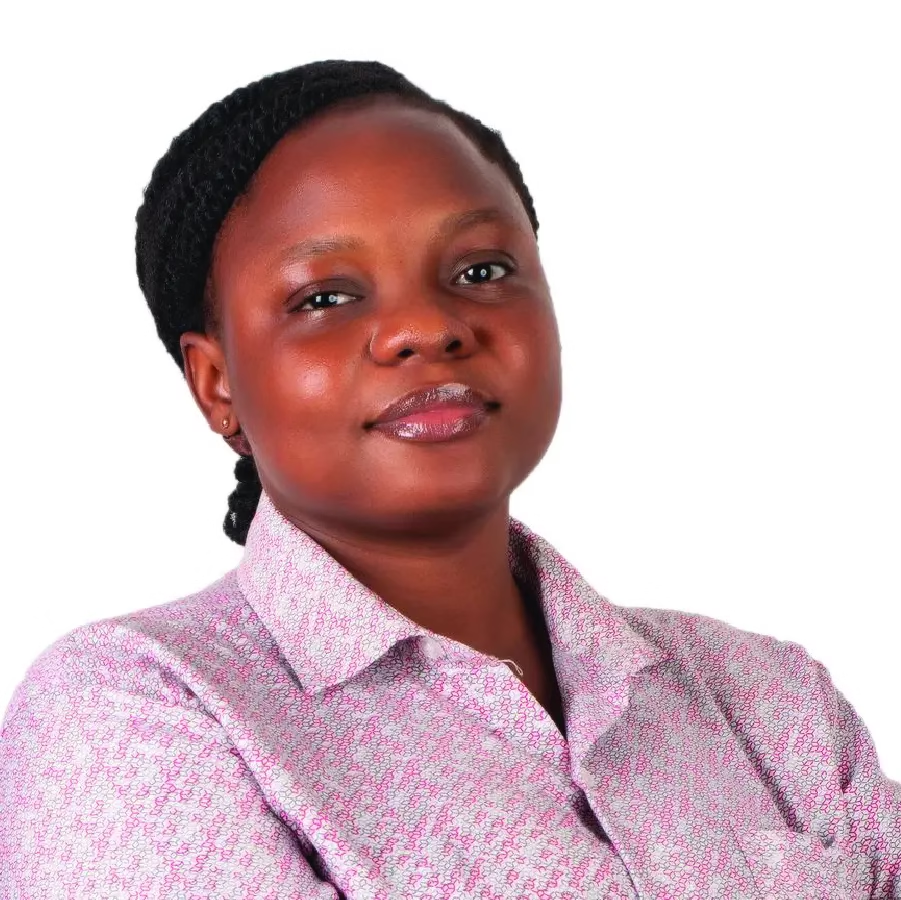
Dzah Gifty Moporpor

Admin & Finance Officer
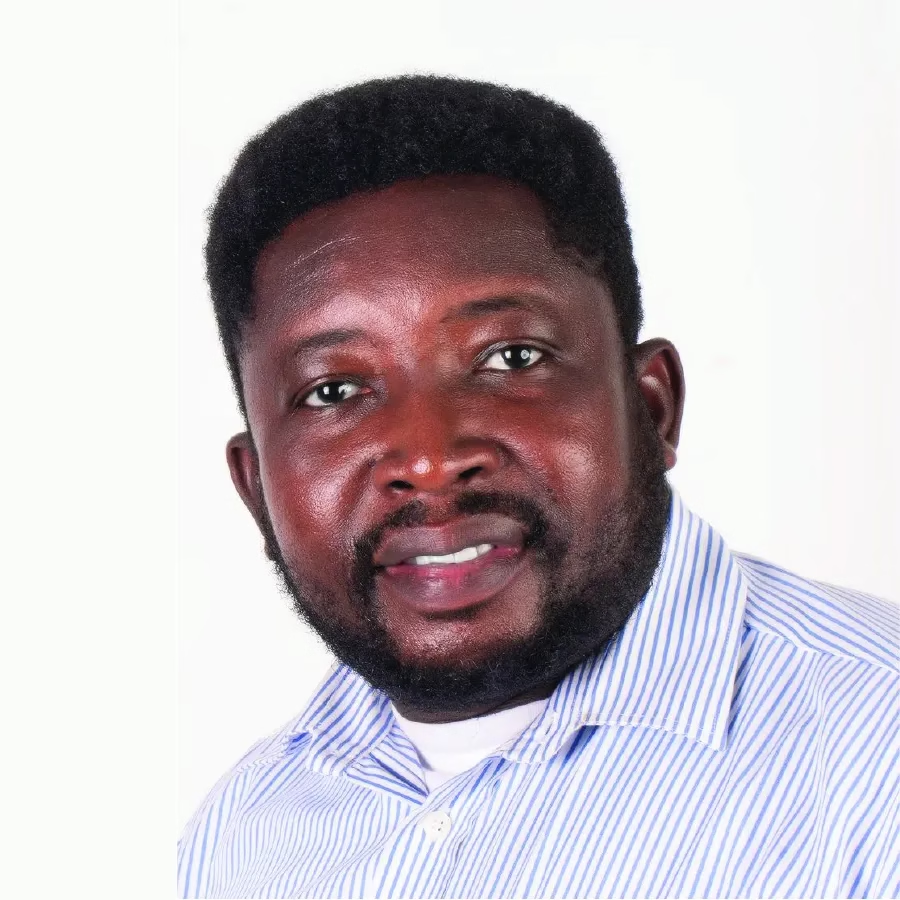
Bismark Asamoah-Baidoo

Logistics Officer
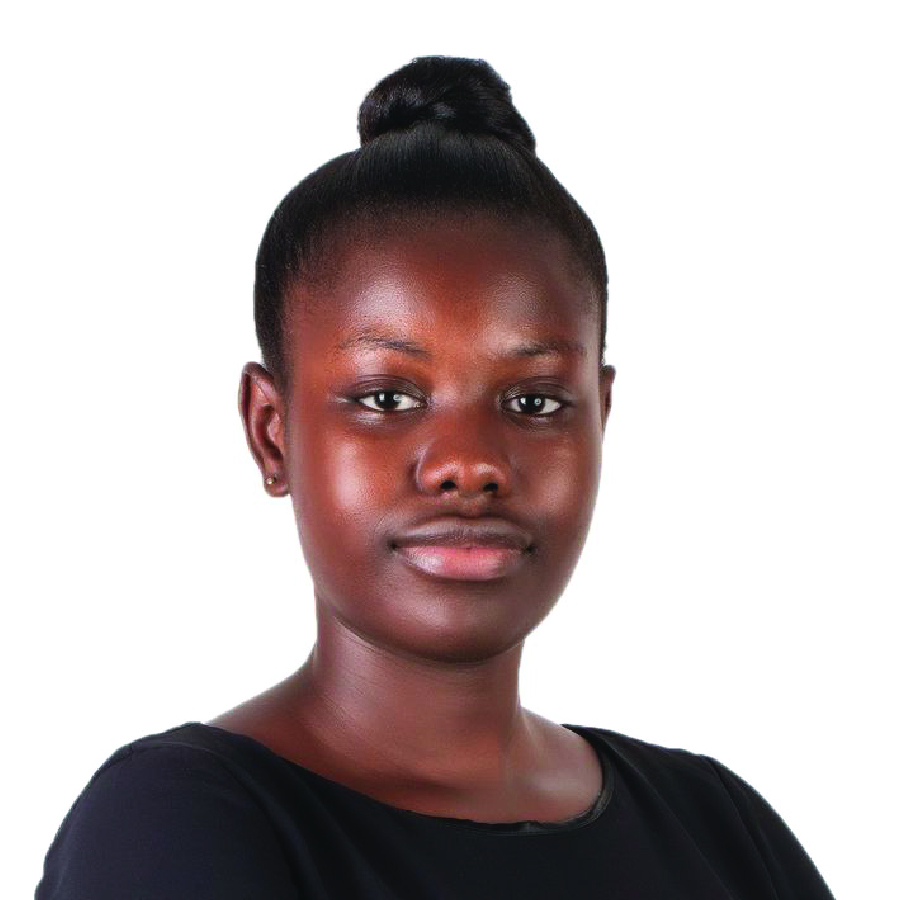
Lawrencia Elikplim Fiafor

Admin & Finance Officer
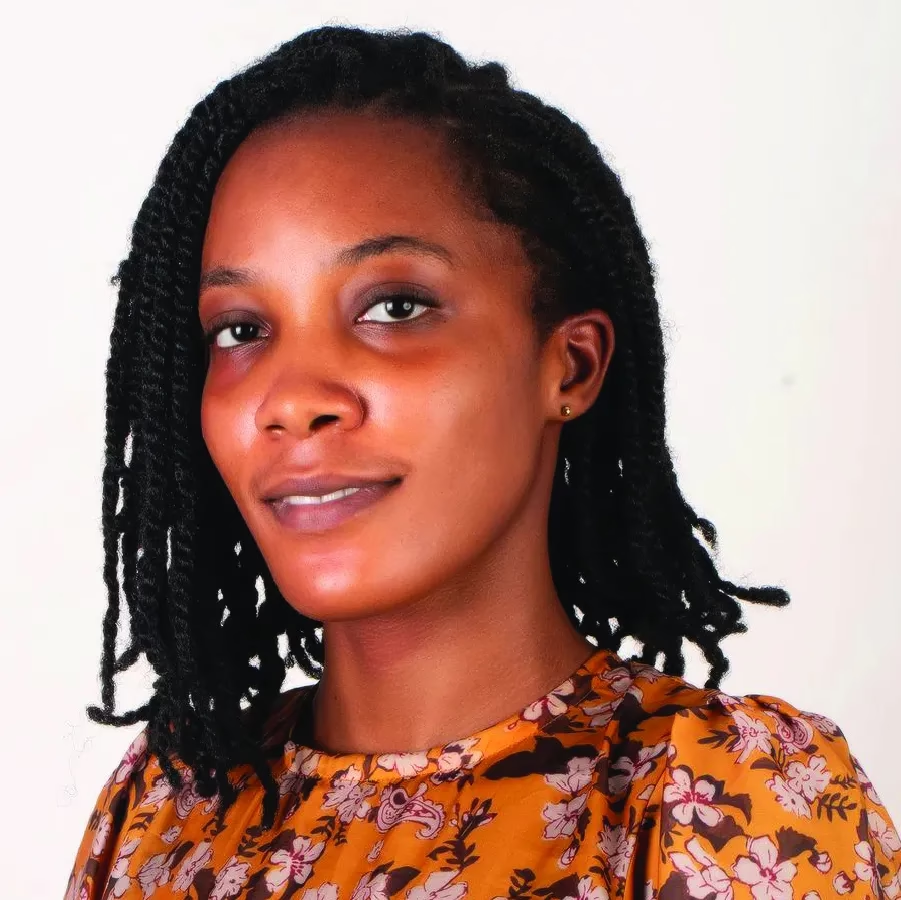
Jenny Ofori

Administrative Assistant

Support GrowthAid Ghana

Your gift helps deliver clean water, sanitation and health services to the most underserved communities.

Where We Work

Bridging the Gap in Ghana’s Hard-to-Reach Regions

Reaching Ghana’s Most Underserved Regions

GrowthAid Ghana operates across the country’s most WASH-deprived and health-vulnerable regions. Our work is concentrated in areas with high disease burdens, fragile health systems, low access to safe water and sanitation, and populations of displaced people