
The Keta Lagoon in Ghana’s Volta Region, a vital wetland supporting livelihoods and biodiversity, faces severe threats from mangrove loss, sand mining, salt extraction, and coastal erosion. A 2024 Scientific Reports study cited by MyJoyOnline found alarming arsenic and mercury levels in lagoon fish-75% exceeding WHO limits for arsenic and all samples containing unsafe mercury—posing serious health risks to local communities, particularly children.
To address the growing threats, GrowthAid Ghana has initiated a Blue Carbon and Mangrove Restoration Programme at the Keta Lagoon Ramsar Site, aimed at restoring degraded habitats, boosting ecosystem resilience, and improving local livelihoods.
Building a Foundation for Restoration
GrowthAid Ghana has completed a comprehensive baseline assessment and ecological mapping to identify the most degraded sites for restoration. Building on this foundation, GrowthAid has established the Keta Blue Carbon Consortium a multi-stakeholder platform comprising the Forestry Commission, District Assemblies, traditional councils, women and youth representatives, and academia. Guided by a Steering Committee and Technical Advisory Panel, the consortium has formalized roles, data-sharing, and benefit-sharing principles through signed agreements, creating a robust governance framework to guide and sustain future restoration efforts.

Communities have been fully mobilized through awareness campaigns and stakeholder meetings, leading to widespread local buy-in. Women’s groups, fisherfolk, and youth associations have pledged their support, recognizing that restoring mangroves not only protects the environment but also secures their livelihoods.
Stakeholder Engagement: The Heart of Our Work
At the heart of GrowthAid’s work is collaboration. The organization has successfully established the Keta Blue Carbon Consortium, bringing together key actors such as traditional leaders, local assemblies, community organizations, academia, and the Forestry Commission, under a unified framework to drive collective action.
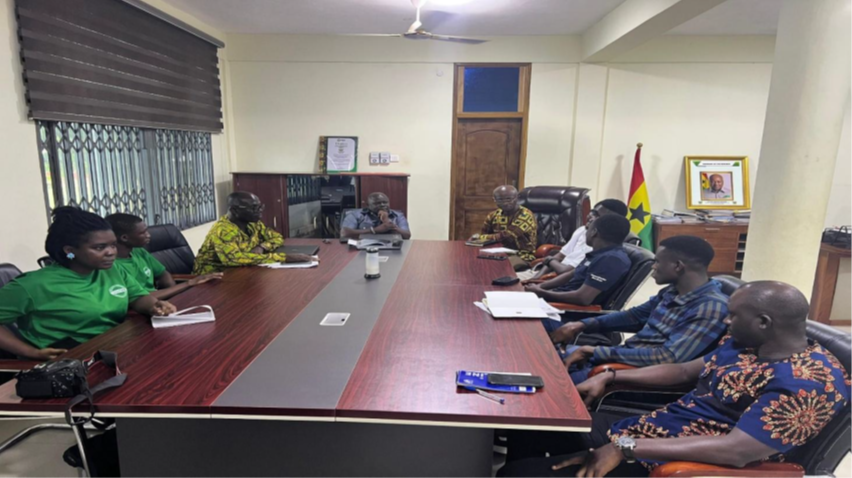
Through stakeholder dialogues and field consultations, GrowthAid Ghana ensured that local voices shaped the project’s direction. Chiefs and elders provided cultural guidance, while youth and women’s groups shared practical insights into how restoration could coexist with everyday livelihoods. This participatory process has built trust, strengthened accountability, and ensured that restoration efforts reflect the real needs and aspirations of the people.
Linking Conservation with Livelihoods
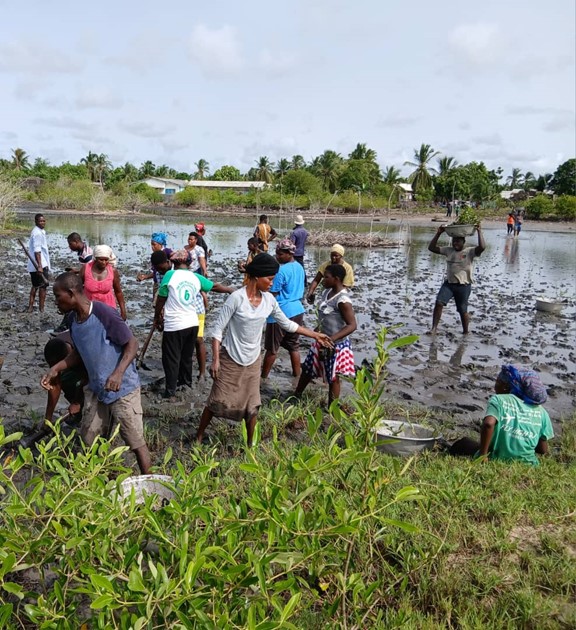
Plans are underway to pilot alternative livelihoods; including energy-efficient fish smoking, beekeeping, aquaculture, eco-tourism, and mangrove-based enterprises, to reduce reliance on mangrove harvesting while creating sustainable income opportunities for women and youth. The project also supports community-managed nurseries and woodlots, offering both ecological and economic benefits.
Why This Matters for Our Future
Mangroves are vital climate allies, storing up to four times more carbon than terrestrial forests while protecting shorelines from flooding and erosion. Through lagoon conservation, GrowthAid Ghana is helping communities adapt to climate change, strengthen food security, and preserve biodiversity. The initiative supports Ghana’s Nationally Determined Contributions (NDCs) and the UN Decade on Ecosystem Restoration, reinforcing GrowthAid’s role in advancing national climate They absorb up to four times more carbon than terrestrial forests, stabilize shorelines, and act as natural buffers against flooding and erosion. By protecting the lagoon, GrowthAid is helping communities adapt to climate change, enhance food security, and safeguard biodiversity. The initiative also aligns with Ghana’s Nationally Determined Contributions (NDCs) and the UN Decade on Ecosystem Restoration, positioning GrowthAid as a key player in advancing national climate action.


A Call for Partnership - An Invitation to Partner for Change
GrowthAid Ghana’s pioneering work has built a strong foundation for lasting, transformative impact. Achieving enduring change, however, requires sustained and strategic investment. The organization is ready to collaborate with forward-thinking donors, climate finance institutions, and private sector partners who share its vision of restoring ecosystems, empowering communities, and advancing climate resilience across Ghana’s coastal landscapes.